
When an Attorney Turns in a Client?
Posted by Alan Childress
That’s the question puzzling — rightly I’d say, under California law — Peter Henning over at the White Collar Crime Prof Blog (presumably a site not about law profs accused of white collar crime). In a nice post from yesterday, Henning, a Wayne State professor [right], reports on an alleged Ponzi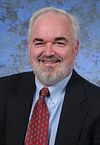 scheme and a press release by the U.S. Attorney’s Office in L.A. announcing the accused’s upcoming criminal trial date. Henning finds particularly “interesting” a throwaway line in the USAO release to the effect that the fraud investigation started by the accused’s attorney reporting the criminal conduct to the USAO. Henning wonders, assuming the press release is accurate, how that happened without violating the current California Rules of Professional Conduct (linked here). He points out that California did not adopt any of the ABA Model Rules versions which extend a future-crime exception to financial harm, instead tightly limiting permissive disclosure in Rule 3-100 to future physical violence. I’d add that California also did not adopt the MR exception based on a lawyer’s participation in the crime or fraud. I’d add further that even California’s proposed major revisions to its Rules, out now for public comment, will follow numbering like the ABA but do not yet propose to adopt any new exceptions to confidentiality. That’s not surprising, given how strongly the California Business & Professions Code is traditionally seen to protect confidentiality and privilege. Nor is the lawyer ethically permitted to induce others to violate these principles (Rule 1-120) or interfere with privilege (B&P Code sec. 6217), raising the additional question whether the USAO could encourage the defendant’s attorney to reveal information.
So I don’t have an answer for Henning either, except to agree with his puzzlement. Maybe the scheme had effects and victims in California allowing prosecution there, but the lawyer represented the Ponz in one of the growing number of states adopting newer versions of the ABA MR which include economic crime as well as criminal acts which the lawyer helped advance? Maybe one of the ethical readers of this blog has a better answer than I do? Plus Henning should update us if he finds out more details, please; I will bet there is a simple explanation for this not at all like the Al Pacino character in “…And Justice For All” in his willingness to give up his license for the supposed greater good of telling the court that his client and everyone else were “all out of order!” For an interesting study of a government [DOJ ethics] lawyer willing to risk exactly that, to disclose her view that the Bush administration — very likely her client — had withheld information on the questioning of John Walker Lindh, see this analysis by David McGowan, on which Jeff had previously opined (on other grounds). Anyway, like Henning, I don’t get it here.